 |
 |
 |
 |
 |
 |
 |
 |
 |
|||
 |
 |
|
|||||||
 |
|||||||
 |
|||||||
 |
|||||||
 |
|||||||
|
|||||||






|
||||||
 |
||||||
 |
||||||
 |
||||||
|






 |
 |
 |
 |
 |
 |
 |
powertrain coverage made practical for budget-minded driversEngines and transmissions aren't cheap. Neither is guesswork. If you're watching your wallet and hate surprises, powertrain coverage can be a safety net - useful, but not magical (and yes, I've heard the "peace of mind" line before). What it usually coversThink core components that move the car forward.
It's the expensive heart-and-muscle set, not the comfort features. What it rarely covers
Read the exclusions; they matter more than the brochure highlights. Why drivers consider it
Still, if your car has a stellar reliability record and you maintain it on time, you might self-insure and come out ahead. Costs, trade-offs, and timing
Buying earlier in the vehicle's life usually gets better terms. Wait too long and you'll pay more for less. A quick real-world momentOn a Friday drive home, the transmission in my daily started to shudder at stoplights. With coverage, I called for a tow - no out-of-pocket that night - and the shop had approval by noon Monday. I still paid the deductible and fluid, but the big ticket? Covered. Convenience mattered more than I expected after a long week. Transparency checkpoints before you sign
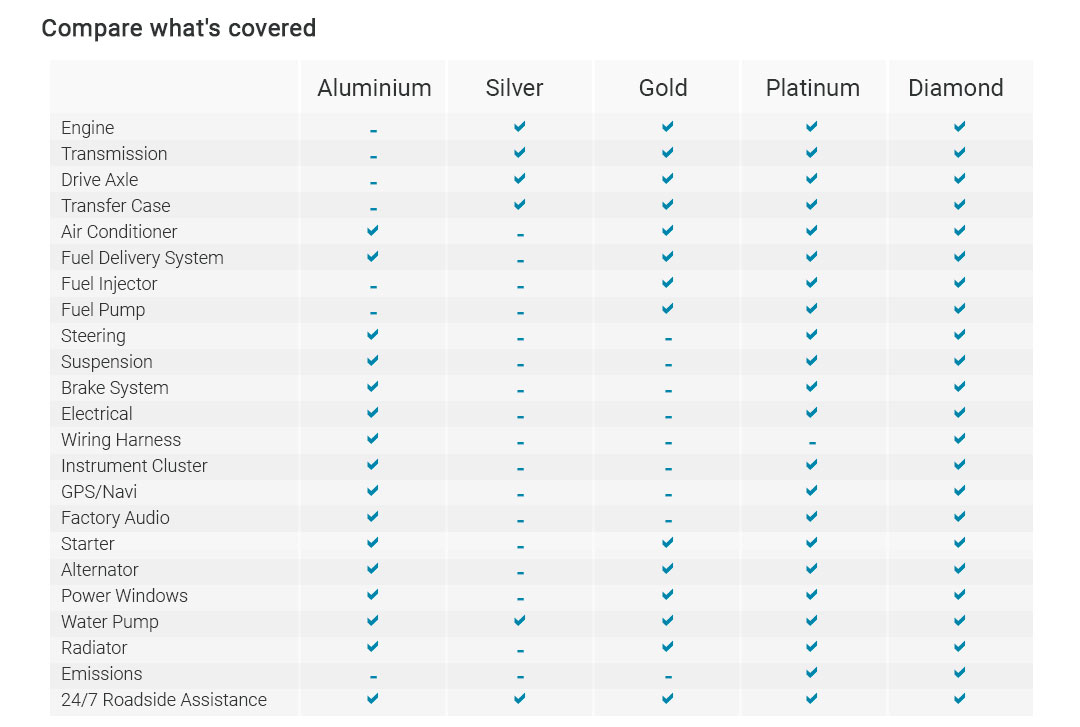
If any answer feels vague, pause. Transparency up front prevents headaches later. How powertrain coverage compares to broader plansPowertrain is the budget option: narrow but cheaper. Exclusionary (bumper-to-bumper) costs more and covers most things except listed exclusions. If electrical gremlins worry you, powertrain alone may disappoint. Pros
Cons
Smart owner tips
Bottom lineIf a major drivetrain bill would wreck your budget, powertrain coverage can be a sensible buffer. Prioritize convenience and transparency: clear terms, fair caps, and an easy claim path. If the numbers don't add up - or the contract reads like fog - keep your cash and build a repair fund instead.
Main Topic:
Powertrain Warranty Coverage
https://www.wjbf.com/automotive/what-is-a-powertrain-warranty-and-what-does-it-cover-4/
The powertrain warranty covers the most expensive, crucial mechanical components of your vehicle. As previously noted: if it has to do with the ... https://obvi.ca/difference-between-a-powertrain-and-a-comprehensive-warranty/
It covers the parts of a car that provide power and make it move, including the engine, transmission, and drivetrain. Other components included are transfer ... https://www.jdpower.com/cars/shopping-guides/the-difference-between-a-powertrain-and-bumper-to-bumper-warranty
A powertrain warranty covers your car's engine, transmission, and drivetrain, which are its most crucial parts.
|
